Shop by Age
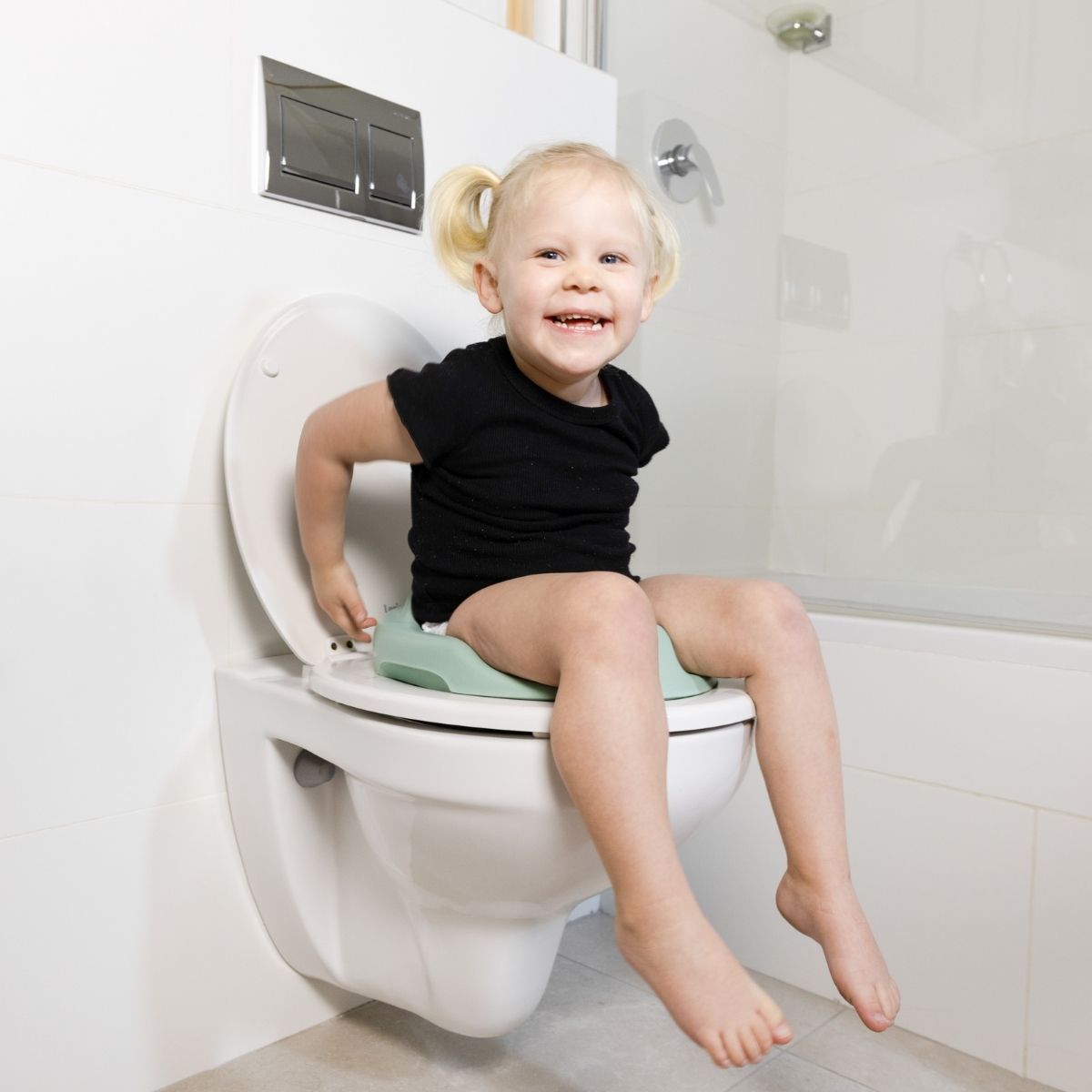
Type: Toilet Trainer
Bumbo 3 in 1 Step n' Potty
Type: Baby & Toddler
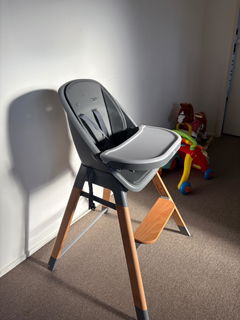
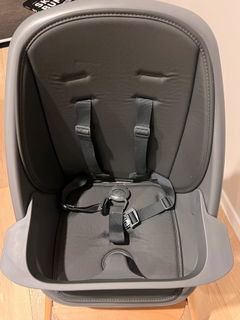
Moose Frankie Foldable HighChair (Grey)
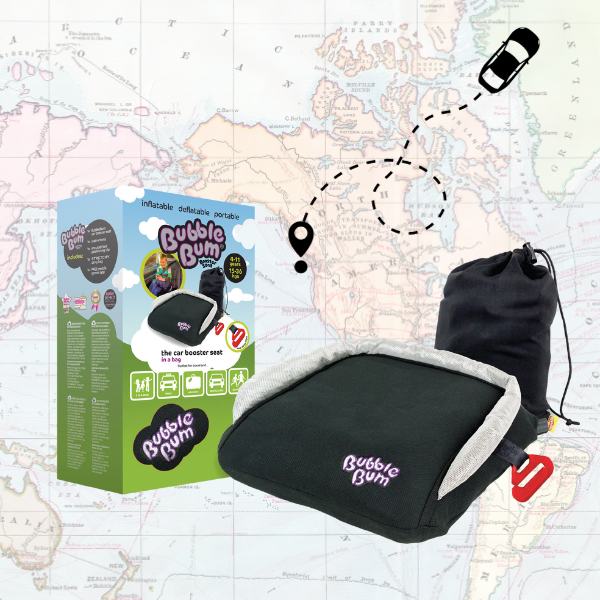
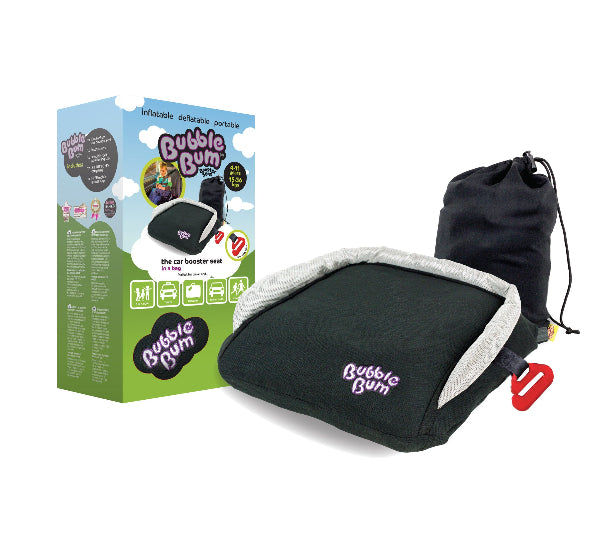
Type: Booster Seat
Bubble Bum Inflatable Car Booster Seat
Type: White Noise
DELUXE Ewan the Dream Sheep
Type: Travel Cot
Moose Emmett Travel Cot (with Bassinet Level & 2 FREE Mattress Protectors)
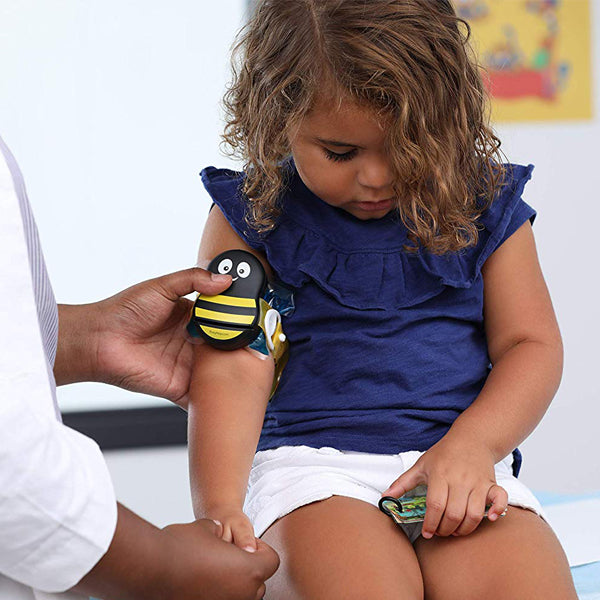
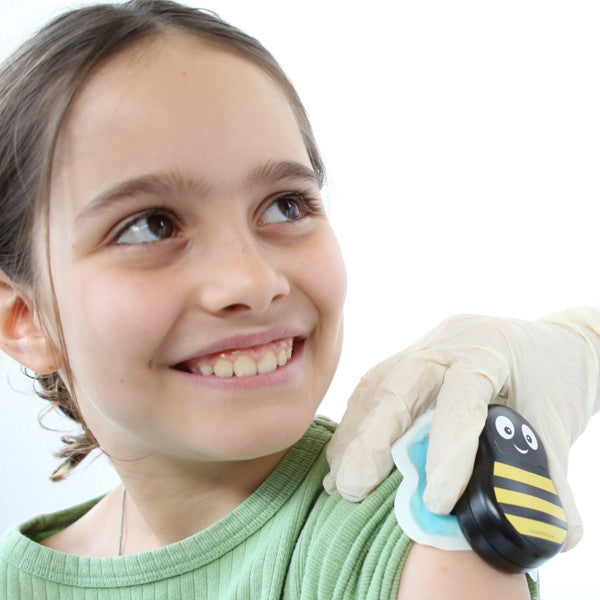
Type: Buzzy
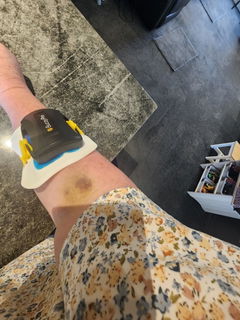
Buzzy Personal Needle Pain Relief Device
Type: Pain Relief
VibraCool® Extended for Knee & Ankle Pain
Type:
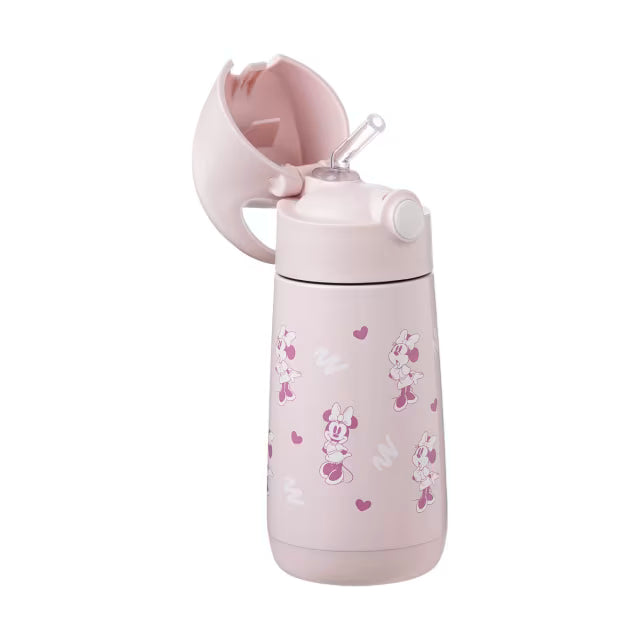
B.Box Disney Minnie 350ml Insulated Drink
The Moose Baby Blog
Starting Solids: What You Actually Need (and What You Can Skip)
Everyone seems to have an opinion about starting solids, and a lot of what you’ll hear will make it seem like you need to fill your kitchen with equipment before your little one can eat their first spoonful. But as a retailer that loves supporting new parents, we want to let you in on a little secret - you really don't. Introducing your little one to food is all about exploration and curiosity, so don’t put yourself under any pressure. Instead, just stock up on a few baby feeding essentials that make mealtimes easier. Must-Have Starting Solids Checklist As parents ourselves, there are only a few essentials for starting solids that we recommend every new parent invest in. Highchairs Bibs Soft silicone spoons Suction bowls or feeding sets If you only make one purchase, make it a great highchair for starting solids. You'll use it every day for the next couple of years, so choose one that’s comfortable, easy to clean, and can grow with your child. Design elements like a removable tray, adjustable footrest and wipe-clean surface are well worth the investment. A soft silicone spoon is gentle on little mouths, while a suction bowl or feeding set helps keep food on the table instead of the floor. You'll also want plenty of bibs; terry fabric if you don’t mind the extra washing, or silicone if you’d rather rinse and reuse. Browse Moose Baby's Feeding Accessories Collection for bibs, feeding sets, and more. Nice-to-Have Feeding Products Most of the items on the “nice to have” baby feeding checklist make life easier for you rather than your little one. They make life more convenient, but aren’t essential from day one. Extra bibs Snack containers Food storage containers Silicone placemats Mess mats Spare bibs mean you always have a clean one on hand, while snack containers and food storage pots come in handy for batching or leftovers once your baby starts eating more variety. And, if the idea of spending time cleaning after every meal fills you with dread, you might want to consider a silicone placemat and a mess mat for under the highchair too. What You Can Skip (At Least for Now) There’s nothing wrong with wanting to try all the newest products and gadgets, but your baby doesn't need a cupboard full of accessories to enjoy their first foods. Just pick up a few baby feeding essentials, and add to your collection as your child grows. Start by exploring the Moose Baby's Highchair Collection to find your favourite. Frequently Asked Questions What solids should I introduce first? There’s no “right” first food, but most parents start with soft, easy-to-manage foods like mashed vegetables, banana, avocado or iron-fortified baby cereal. Can my 4-month-old start solids? Most babies in New Zealand start solids after six months. Look for signs of readiness, like good head control and sitting with support. Check with your health professional if you’re unsure. What is the 3-day rule? The 3-day rule makes it easier to spot intolerances or reactions to new foods. When offering one new food, wait three days before trying another. What are examples of first foods? Good first foods include mashed kūmara, pumpkin, banana, avocado, baby cereal, puréed meat, and soft, cooked vegetables. How often should my baby eat solids? Start with once a day, then build up gradually as your baby gets more confident. Breast milk or formula should remain the main food during the first year.
Learn moreShould you swaddle a newborn or use a sleeping bag?
Honestly, you'll probably use both. A swaddle for the first few weeks, then a sleeping bag once your baby starts trying to roll. Here's what's actually going on, so you know when to make the switch. What is the startle reflex, and why does it wake newborns up? Every newborn has this reflex where their arms jerk out of nowhere, even when they're fast asleep. You've probably already seen it. One second they're settled, the next their arms fly up and they're wide awake again. A swaddle holds their arms still through that, so they don't wake themselves up over and over. It's why swaddled babies tend to sleep in longer stretches in those early weeks. When should you stop swaddling your baby? Once your baby starts trying to roll, you'll need to stop swaddling. This can happen as early as 8 weeks, though for most babies it's somewhere between 2 and 4 months. You'll usually notice it before they actually roll all the way over. Maybe they're arching their back, rocking side to side, or getting a shoulder up off the mattress. Once you see that, it's time to switch. You don't need to wait for the full roll. Newborn sleeping bag vs swaddle, why you need both A sleeping bag is basically a wearable blanket. Your baby's arms are free to move, but they're still warm, and there's nothing loose in the cot that isn't recommended for babies under 12 months anyway. Most of us buy a swaddle first, then end up back at the shop a few weeks later for a sleeping bag once baby starts rolling. What TOG should you use for a newborn sleeping bag? TOG just tells you how warm the fabric is. Higher number, warmer bag. Match it to your room, then pop your baby in one simple layer underneath, like a bodysuit or pyjamas. As a rough guide. Warmer room, around 22 to 24 degrees, go lighter with a short sleeve bodysuit underneath Average room, around 18 to 22 degrees, 2.5 TOG with a long sleeve bodysuit works well Colder room, under 18 degrees, go warmer with a long sleeve bodysuit and maybe a singlet too If you're not sure, just feel their chest or the back of their neck. Warm and dry, you're all good. Damp or hot, take a layer off. Sweet Dreamers Sleep and Swaddle Bag, one bag for both stages This is exactly why we made the Sweet Dreamers Sleep and Swaddle Bag. Swaddle your baby's arms in for the newborn stage, then unzip to arms out the second they start showing signs of rolling. No second purchase, no standing in the aisle trying to guess when to switch. It's 100% organic cotton, Oeko-Tex tested, and hypoallergenic for sensitive skin. Comes in 1.0 TOG and 2.5 TOG, so you've got both covered. Frequently asked questions Can I skip the swaddle and go straight to a sleeping bag from birth? Yeah, plenty of parents do. Some babies settle just fine without being swaddled. It just helps with that startle reflex in the early weeks, it's not a rule you have to follow. What age should I stop swaddling my baby? As soon as you see them trying to roll, which can be from around 8 weeks. You don't need to wait until they've actually rolled over. What TOG should I use for a newborn? Go by your room temperature rather than your baby's age. 2.5 TOG suits most nurseries sitting between 18 and 20 degrees, with a long sleeve bodysuit underneath. Do I actually need to buy a swaddle and a sleeping bag separately? Not if you don't want to. A bag like the Sweet Dreamers Sleep and Swaddle Bag covers both stages, so you're not buying twice in the first three months.
Learn moreHow to Choose the Best Bedwetting Alarm for Your Child
What's the best bedwetting alarm for my child? At first, nocturnal enuresis (best known as bedwetting) sounds like a disease, but it’s not. Even so, in some children, it can cause serious embarrassment and poor self-esteem. What is Nocturnal Enuresis? Nocturnal enuresis, in layman’s terms, is bedwetting. If you have a child over the age of six who is wetting the bed, you may have tried everything and now you are wondering if there is any help. There is, and it’s called a bedwetting alarm. How does a bedwetting alarm work? One of the main causes of bed wetting in children is a combination of deep sleeping patterns and over production of urine. Making use of a bed alarm for bedwetting can help teach a child’s body to better respond to a full bladder, as well as help break the deep sleep cycles that often go along with it. An electronic bedwetting alarm sounds an alert as soon as a child begins to urinate. Bedwetting alarms are designed to help train the brain to recognise when the bladder is full, so your child can wake and use the toilet. A bedwetting alarm “senses” moisture as the first drops of urine are released, and sounds an alarm to wake the child. Over time, the goal is for the feeling of a full bladder to replace the alarm as the trigger to wake up and go to the toilet. Bedwetting alarm therapy is a type of behavioural conditioning, but in practice, it’s simply helping your child build that connection. Modern options have come a long way too. Some bedwetting alarm underwear now have sensors built directly into the fabric, so there’s no need for clips or separate sensor pads, which can make things a bit easier, especially for younger kids. Bedwetting alarms are safe and commonly recommended by continence nurses as a way to help stop bedwetting. There are different types of alarms, each working slightly differently to suit your child’s needs. We've found the best bedwetting alarms: Different Types of Bedwetting Alarm, Which Is Right for Your Child? #1 Wearable Bedwetting Alarms (with cord) The Rodger Wireless Bedwetting Alarm is Moose Baby’s best-selling bedwetting alarm. Instead of clips and cords, it uses bedwetting alarm underwear with sensors sewn directly into the fabric. There’s nothing to attach before bed, and nothing sitting against the skin that can move around or fall off overnight. When moisture is detected, it’s picked up straight away, and a small transmitter in the underwear sends a wireless signal to the base unit. The alarm sounds immediately, helping your child start to link the feeling of a full bladder with waking up. It can also be used during the day if needed, and suits both children and older users. For deeper sleepers, you can add a vibration unit like the Rodger Bed-Shaker Vibrating Unit, which sits under the mattress and adds a physical vibration along with the sound. You can also purchase extra sensor briefs, so you can rotate pairs without needing to wash and dry them the same day. And if anything gets lost or damaged, replacement transmitters can be picked up separately too. #2 Portable Daytime Wetting Alarm — For On-the-Go & Potty Training The Rodger Wireless Amigo Day Alarm is a small, lightweight, portable wetting alarm designed for daytime use — making it ideal for parents looking for support beyond the bedroom. It clips discreetly to clothing with a magnetic clip and works with Rodger sensor briefs, detecting the first drops of moisture and alerting your child with a sound or vibration signal. Parents searching for a "daytime wetting alarm", "potty training alarm", or "portable wetting alarm for car trips" will find the Amigo fills a gap that most bedwetting alarms simply can't — it goes wherever your child goes. Whether you're on a day trip, in the car, at preschool, or out shopping, the Amigo can quietly support your child's bladder awareness without drawing attention. Many parents also use it as a potty training tool for toddlers who are already showing readiness signs — the gentle alert helps young children connect the sensation of a full bladder to the need to go, in real time. Moose Baby is one of the only retailers in New Zealand and Australia offering the Rodger Amigo Day Alarm, making it a genuinely unique option for local families seeking daytime or portable wetting support. The vibration-only mode means it can be used discreetly in public settings, giving older children the privacy to manage accidents without embarrassment. #3 Wearable Bedwetting Alarms (with Sensor Clip) With this type of wearable bedwetting alarm, the sleeper places a small moisture sensor in their pyjama bottoms or underwear (in the line of fire). When moisture is detected, the alarm sounds immediately to wake the child. Because the sensor reacts to the first drops, your child has a chance to wake and get to the toilet before the bed is fully wet. Over time, this helps their brain start to recognise the feeling of a full bladder and respond to it. The WetStop3 Bedwetting Alarm is one of the most widely used options in this category, and a good place to start if you’re trying a bedwetting alarm for the first time. It’s easy to set up and one of the more affordable products available. The sensor clips into underwear and connects to the alarm unit via a cord, which attaches to the collar. When triggered, it uses both sound and vibration to wake your child. #4 App-Connected Bedwetting Alarms — Oopsie Heroes Plus The Oopsie Heroes Plus Bedwetting Alarm takes a different approach by connecting to a smartphone app rather than a traditional alarm unit. A small, comfortable sensor attaches to your child's underwear or pyjama bottoms with adhesive stickers — no special clothing required. When moisture is detected, the sensor sends a safe audio signal to the app on your phone or tablet, which then wakes your child using the alarm sound of your choice — including a recording of your own voice. Research suggests that a familiar voice is more effective at waking deep sleepers than a standard alarm tone, making this a particularly compelling option for children who sleep heavily. The app also automatically logs bedwetting events over time, helping parents spot patterns and track progress toward dry nights. A built-in reward system and hero characters (choose a boy or girl) keep younger children motivated and engaged with the process. Key features include: App-based — no separate alarm unit needed; your phone does the work Parent Voice Alarm — record your own voice as the wake-up sound, proven more effective for deep sleepers Automatic event logging — track progress and identify patterns No Bluetooth — uses safe audio signals Fun and motivating — hero characters and a built-in reward system Works with any underwear — no special sensor briefs required The Oopsie Heroes Plus is particularly well-suited to younger children and families who want an engaging, tech-enabled approach to bedwetting training. How long does it take to stop bedwetting? Bed wetting therapy experts have estimated that, with consistent and proper use, the best bedwetting alarms will train children to wake before wetting in around 4 to 10 weeks. Some train much quicker, within days, others take longer. Bedwetting alarms are successful in around eighty percent of young bedwetters. Ready to find the right alarm for your child? Browse MooseBaby's full range of bedwetting alarms and training products. Alarm Type Alarm Type Useful for Advantages Price Wet Stop 3 Wearable alarm with clipped on sensor and cord Sound and vibration Children Cost effective. Simple to use. Proven success (sold since 1979). $109.99 Rodger Amigo Day Alarm Wireless portable daytime alarm with sensor underwear Sound and/or vibration Children with daytime wetting/incontinence, school-aged kids, potty training Portable, discreet, instant urine detection, no wires, app progress tracking from $149 Rodger Wireless Alarm Wireless — sensor underwear Sound (+ optional bed shaker) Children Adults Special Needs Latest technology. Comfortable – sewn-in sensor underpants. No cords. Moisture detected immediately. Vibration device can be attached to wake very deep sleepers or those sharing a room. Can we worn during the day or night. from $239.99 Oopsie Heroes Wearable sensor 'talks' to a device/app Sound Voice (parent) Younger children Special Needs Latest technology. Comfortable - no cords. Moisture detected immediately. Can activate alarm using a recording of parent's voice. $205.00
Learn more
Exclusive Distributors of International Brands